
Introduction to Beef Lo Mein
Why Homemade Beef Lo Mein is a Game Changer
When it comes to satisfying cravings, beef lo mein is a top contender. Imagine tender strips of beef, perfectly cooked noodles, and a medley of vibrant vegetables, all tossed together in a savory sauce that coats each bite. But why settle for takeout when you can whip up this delightful dish in your own kitchen?
Making homemade beef lo mein is a game changer for several reasons:
-
Quality Control: You choose fresh ingredients, ensuring your meal is not only delicious but also healthier than typical takeout options. More veggies, less sodium!
-
Customization: Like it spicy? Add chili flakes! Prefer more greens? Toss in extra bok choy. You’re in total control of flavors and ingredients.
-
Economical: Cooking at home saves money. A few simple ingredients go a long way—perfect for meal prep or feeding a crowd.
This recipe isn’t just easy; it’s quick, taking about 45 minutes from start to finish. Who needs to wait for delivery when you can savor a restaurant-quality meal right at your dinner table? So set your wok on high heat, and let’s dive into the magic of making beef lo mein!
For more delicious Asian-inspired dishes, check out this comprehensive guide on cooking techniques and recipes to elevate your culinary skills.
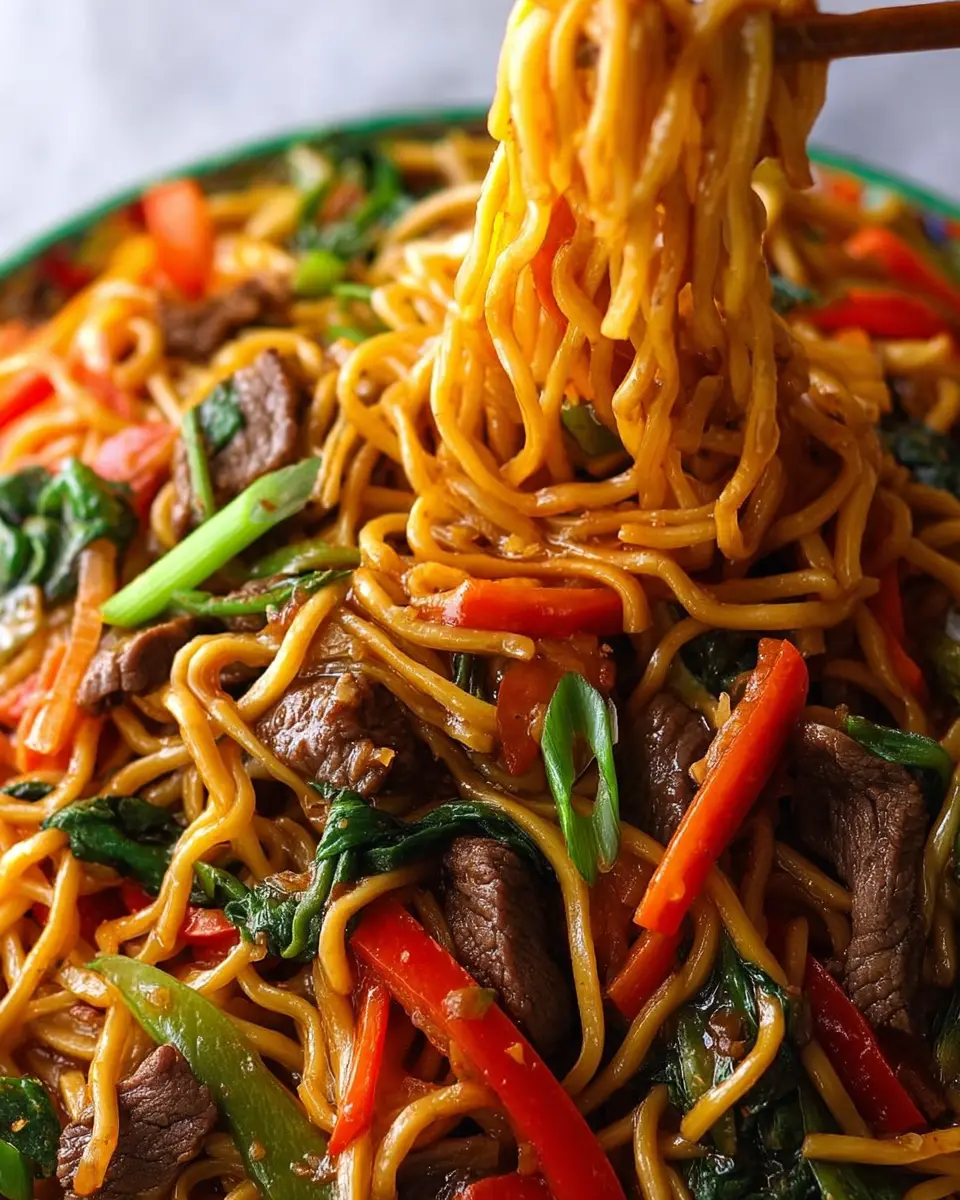
Ingredients for Beef Lo Mein
Essential Ingredients for Flavorful Beef Lo Mein
To whip up a delectable beef lo mein, you'll need some essential ingredients that deliver wonderful flavors and satisfying textures. Here's what you'll require:
- Protein: 12 ounces of flank steak, sliced thinly for tender bites.
- Noodles: 1 pound of fresh lo mein noodles - opt for cooked if you can, but if you want to experiment, uncooked versions work too.
- Aromatics: 1 clove of garlic (minced) for an aromatic base.
- Vegetables: A colorful mix including 1 medium carrot (julienned), ½ red bell pepper (julienned), ½ cup sliced mushrooms, ½ cup bamboo shoots, 2 cups shredded Napa cabbage, ⅔ cup snow peas, and 2 cups mung bean sprouts.
- Sauces: The perfect amalgamation of flavors is achieved with light soy sauce, oyster sauce, dark soy sauce, sesame oil, salt, sugar, and white pepper.
Find the best ingredients at your local grocery store or explore options online to ensure quality in your lo mein.
Optional Ingredients for Extra Texture and Taste
While the essential ingredients create a fantastic foundation, adding a few optional components can elevate your beef lo mein to new levels:
- Extra Greens: Toss in some bok choy or baby corn for extra crunch and nutrition.
- Crunch Factor: Consider adding water chestnuts or red pepper flakes for a little heat.
- Garnish: Fresh scallions (the green parts) not only beautify the dish but also add a fresh taste.
Feel free to get creative and adapt the recipe according to your preferences! Want to learn more about the versatility of lo mein? Check out Serious Eats for inspiration.
Remember, cooking is as much about personal expression as it is about following a recipe—enjoy the process!
Preparing Beef Lo Mein
Cooking beef lo mein at home is an enjoyable and rewarding experience that can rival your favorite takeout. Whether you’re engaging with the sizzle of the wok or savoring the aroma of fresh ingredients, this dish is a vibrant mix of flavors and textures that you’ll love. Let’s go through each step to ensure your beef lo mein turns out perfectly!
Preparing the Beef
Start by slicing your flank steak against the grain into thin strips. This technique helps to create tender bites that are easy to chew. Once sliced, place the beef in a bowl and add 1 teaspoon of cornstarch, 1 teaspoon of soy sauce, 1 teaspoon of vegetable oil, and ¼ teaspoon of baking soda. This step, often referred to as velveting, will help keep the beef moist and flavorful. Allow it to marinate for about 30 minutes—this is the perfect time to prep your other ingredients.
Making the Lo Mein Sauce
While the beef is marinating, prepare the lo mein sauce by mixing together 1 tablespoon of light soy sauce, 1 tablespoon of oyster sauce, 2 teaspoons of dark soy sauce, ½ teaspoon of sesame oil, and a pinch of sugar and white pepper. Combining these flavors adds depth to the dish, so don’t skimp on this essential step! For more on making your own sauces, check out this guide on homemade sauces for inspiration.
Cooking the Noodles
Next, focus on the noodles. If you’re using cooked lo mein noodles, give them a rinse under hot tap water to separate them and drain thoroughly. For uncooked noodles, follow the package instructions until they’re al dente, then drain. Have everything prepped and ready to go—the garlic, carrots, peppers, and mushrooms can make a colorful addition to your dish.
Stir-Frying the Vegetables
Heat your wok over high heat until it’s just starting to smoke. Add 1 tablespoon of vegetable oil, then toss in the marinated beef in a single layer. Sear each side for approximately 30 seconds before removing it from the wok—this helps to lock in flavor. Now, add another tablespoon of oil and your garlic, carrots, peppers, and mushrooms, stir-frying for about 30 seconds. Follow with bamboo shoots and the white parts of the scallions, cooking for an additional 20 seconds before adding napa cabbage. Make sure your heat remains high so your vegetables stir-fry rather than steam.
Combining Everything Together
Now comes the moment of glory—combine everything! First, incorporate the cooked or rinsed noodles into the vibrant mix of vegetables. Drizzle the Shaoxing rice cooking wine around the perimeter of the wok, then toss the contents together using a scooping motion. It’s crucial to keep the heat high and the ingredients moving to prevent sticking. Once everything is heated through, introduce your pre-mixed sauce and stir-fry until evenly distributed. Finally, add the snow peas and mung bean sprouts, followed by the beef, finishing with the green parts of the scallions.
Taste your beef lo mein and adjust seasonings as desired. This is your culinary moment; elevate it with more soy sauce or sesame oil to your preference! Serve it hot and watch your friends and family delight in your homemade creation. Enjoy!
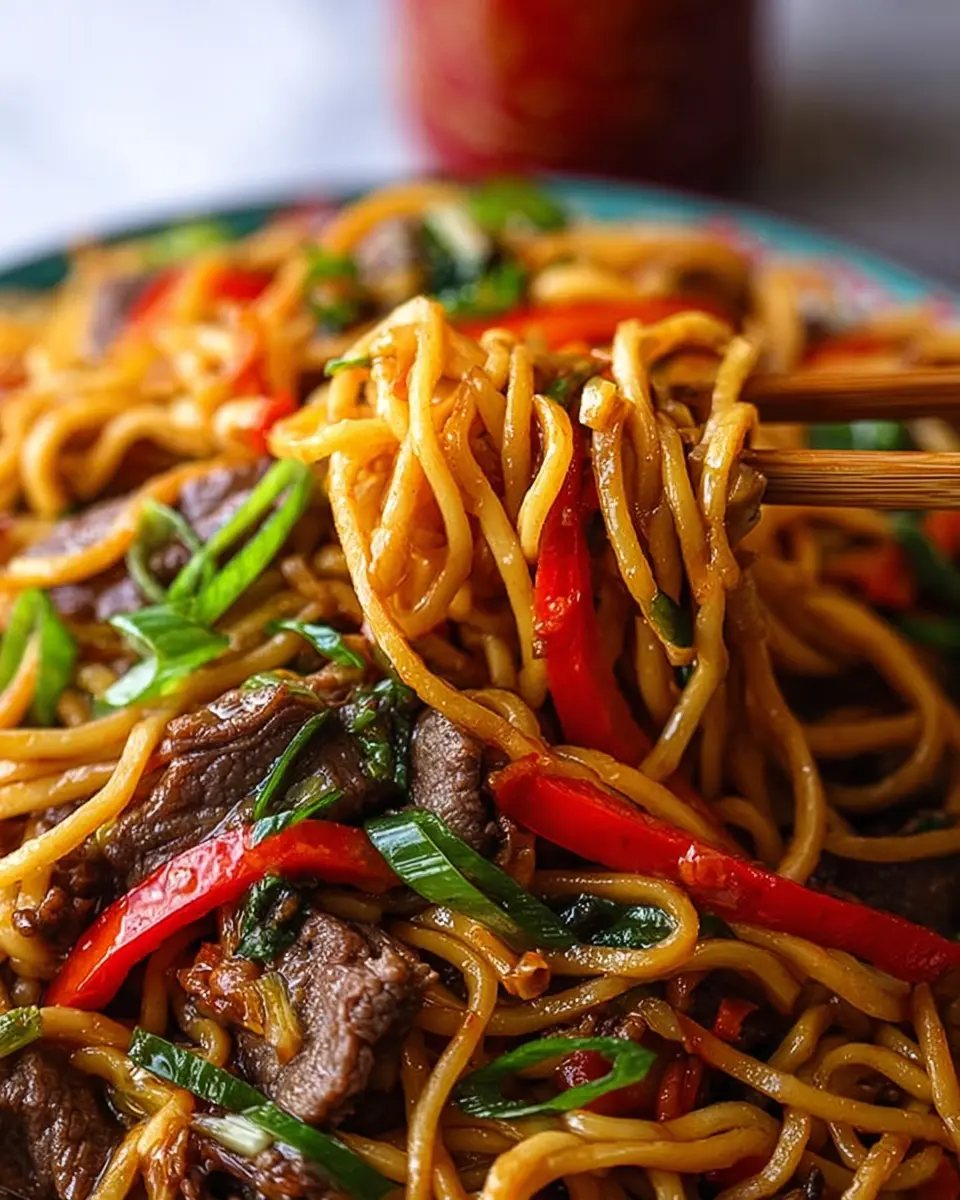
Variations on Beef Lo Mein
Veggie-Packed Beef Lo Mein
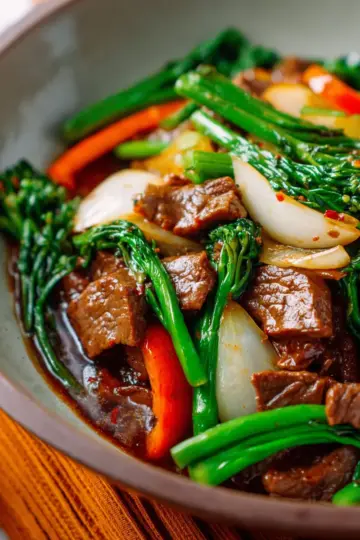
Want to amp up the nutrition of your beef lo mein? Try adding a variety of vegetables! Broccoli, bell peppers, and snap peas not only enhance the flavor but also boost the overall health benefits. You can incorporate leafy greens like spinach or bok choy for added nutrients. This version makes it a colorful dish that looks as good as it tastes, making it perfect for a family dinner or impressing guests.
Spicy Beef Lo Mein
If you're someone who enjoys a little heat in your meals, consider a spicy beef lo mein variant! Adding chili paste, fresh ginger, or even a sprinkle of red pepper flakes can transform your dish into a fiery delight. You can also serve it with a side of homemade chili oil for an extra kick. The enticing blend of spice will surely make this a favorite among spice lovers!
For more ideas on customizing your dishes, check out these tips on seasonal ingredients!
Cooking Tips and Notes for Beef Lo Mein
Achieving the Perfect Noodle Texture
A key to beef lo mein is the texture of your noodles. If you're using uncooked lo mein noodles, ensure they're cooked until just al dente; this prevents them from becoming mushy. For pre-cooked noodles, a quick rinse in hot water loosens them up, ensuring a delightful bite. Remember, high heat during stir-frying helps maintain that al dente feel, so keep things sizzling!
Secrets to Flavorful Beef
For the beef, marination is crucial. The combination of baking soda and cornstarch tenderizes the meat while giving it a glossy finish. Don't rush this step! A 30-minute marination lets the flavors penetrate deeply, giving you juicy, flavorful beef that complements the fresh vegetables beautifully. Work with quality beef, like flank steak, for the best results.
Looking for more ways to enhance your beef lo mein? Consider adding tamari for a gluten-free twist or fresh ginger for extra zing. Happy cooking!
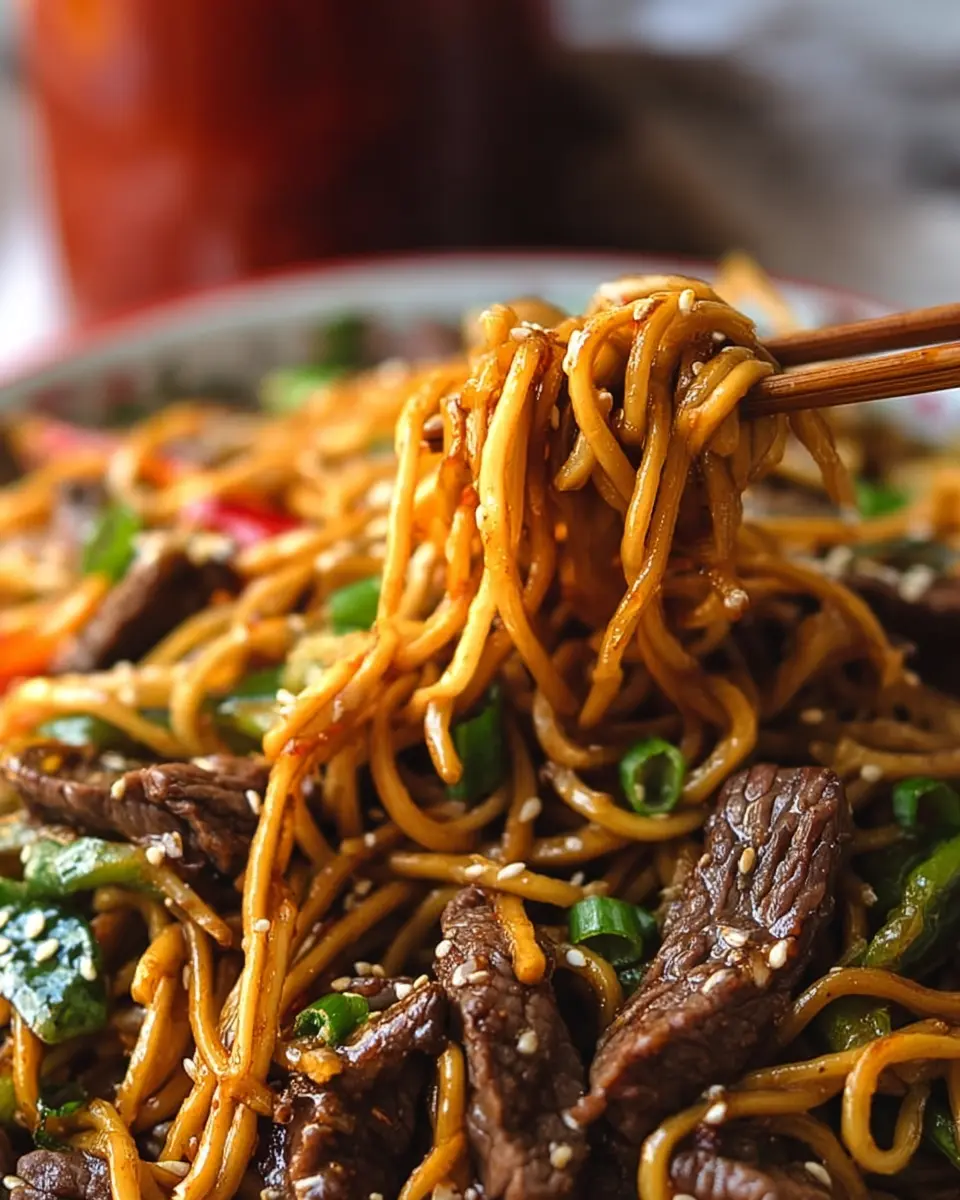
Serving Suggestions for Beef Lo Mein
Ideal Pairings for a Complete Meal
To truly elevate your beef lo mein experience, consider pairing it with some delightful sides. Spring rolls or crispy fried wontons make fantastic appetizers. For a refreshing touch, a simple cucumber salad dressed in rice vinegar complements the savory noodles beautifully. If you're looking for a heartier meal, steamed dumplings filled with your favorite protein will provide a satisfying contrast to the lo mein's texture.
Garnishes to Elevate Presentation
Presentation matters! Add a sprinkle of toasted sesame seeds over your beef lo mein for a nutty flavor and crunch. A few sprigs of fresh cilantro or basil can bring a pop of color and aromatic freshness. Finishing with thinly sliced red chili peppers can introduce a dash of heat, enticing your guests even before the first bite! With these garnishes and pairings, you’ll impress both your palate and your guests. For more decorative inspiration, check out this guide from Food52.
Time Breakdown for Beef Lo Mein
Preparation Time
The prep for this delicious beef lo mein takes about 35 minutes. This includes marinating the beef and chopping up your favorite veggies. Pro tip: having all your ingredients prepped and ready can streamline the entire cooking process.
Cooking Time
Once you’ve got everything prepped, the cooking time is fairly quick, around 10 minutes! This is the perfect amount of time to bring those flavors together, ensuring that your veggies remain crisp and vibrant.
Total Time
Overall, you’ll need about 45 minutes from start to finish to whip up this fantastic beef lo mein. It’s ideal for a weeknight dinner when you want something comforting without spending hours in the kitchen. So gather your ingredients, roll up your sleeves, and let’s get cooking!
For more tips on meal prep, check out this guide on efficient cooking methods!
Nutritional Facts for Beef Lo Mein
When you're enjoying a comforting bowl of Beef Lo Mein, knowing what you're consuming can enhance your dining experience. Here’s a quick breakdown of the nutritional value of this delightful dish:
Calories
A serving of Beef Lo Mein packs approximately 323 calories, making it a satisfying option without compromising your daily caloric needs.
Protein
Rich in flavor and nourishment, this dish offers about 19g of protein, thanks to the tender flank steak and vegetables, which helps keep you full and energized throughout the day.
Sodium
While flavorful, it's good to be mindful of sodium levels, which can reach around 819mg per serving. That’s about 36% of the recommended daily intake, so pairing it with water or a light salad can balance things out nicely.
For more detailed insights on healthy eating, check out the USDA’s Nutrition page. Enjoy your cooking!
FAQs about Beef Lo Mein
Can I use different types of noodles?
Absolutely! While traditional beef lo mein is made with lo mein noodles, you can substitute with other noodles such as spaghetti, egg noodles, or rice noodles. Just keep in mind that the cooking time may vary based on the type you choose. If you're gluten-free, look for gluten-free noodle options available at your local grocery store.
How do I store leftovers?
Storing leftovers from your beef lo mein is quite simple! Just transfer any uneaten portions to an airtight container and refrigerate for up to three days. For longer storage, you can freeze the dish for up to two months. When you're ready to eat, simply reheat in the microwave or on the stovetop, adding a splash of water or broth to help revive the noodles.
What can I substitute for flank steak?
If flank steak isn't available or you're looking for a different protein, consider using sirloin, tenderloin, or even chicken breast if you prefer poultry. For a vegetarian option, tofu or tempeh can work wonderfully, soaking up the delicious flavors of the sauce while providing a satisfying protein boost.
Conclusion on Beef Lo Mein
Beef Lo Mein is not just a dish; it's an experience that captures the essence of home cooking. With its rich flavors and vibrant vegetables, this recipe elevates a classic takeout favorite right in your kitchen. Give it a try, and enjoy the delicious satisfaction of creating this comforting meal!
Para 1: Check out this article on the benefits of cooking at home to learn more about how home-cooked meals can boost your overall well-being.
Para 2: For more tips on incorporating vegetables into your meals, visit this resource to gain inspiration on healthy eating habits.
Beef Lo Mein
Equipment
- wok
Ingredients
Beef and Marinade
- 12 ounces flank steak
- 1 teaspoon cornstarch
- 1 teaspoon soy sauce
- 1 teaspoon vegetable oil
- ¼ teaspoon baking soda
Sauce
- 1 tablespoon light soy sauce
- 1 tablespoon oyster sauce
- 2 teaspoons dark soy sauce
- ½ teaspoon sesame oil
- ½ teaspoon salt (or to taste)
- ¼ teaspoon sugar
- ¼ teaspoon white pepper
To Complete the Dish
- 1 pound fresh lo mein noodles (cooked or fresh uncooked)
- 1 clove garlic (minced)
- 1 medium carrot (julienned)
- ½ unit red bell pepper (julienned)
- ½ cup mushrooms (sliced)
- ½ cup bamboo shoots (strips or sliced)
- 2 cups Napa cabbage (shredded)
- ⅔ cup snow peas
- 2 cups mung bean sprouts
- 2 tablespoons vegetable oil (divided)
- 1 tablespoon Shaoxing wine
- 2 unit scallions (julienned, white and green parts separated)
Instructions
Preparation
- Slice the beef into thin strips against the grain. Place the sliced beef in a small bowl with baking soda, cornstarch, soy sauce, and oil. Marinate for 30 minutes.
- Prepare the lo mein sauce by combining the light soy sauce, oyster sauce, dark soy sauce, sesame oil, salt, sugar, and white pepper in a small bowl.
- Rinse cooked lo mein noodles under hot water or cook uncooked noodles according to package instructions until al dente. Set aside and prepare the garlic and vegetables.
Cooking
- Heat the wok over high heat until smoking. Add 1 tablespoon of vegetable oil and then add the beef in a single layer. Sear for 30 seconds per side, then remove from the wok.
- Add another tablespoon of oil, garlic, carrots, peppers, and mushrooms to the wok. Stir-fry for 30 seconds.
- Add bamboo shoots and the white parts of the scallions. Stir-fry for 20 seconds, then add napa cabbage and stir-fry for another 30 seconds.
- Add the prepared noodles, making sure they are warm and not stuck together. If needed, rinse in hot water.
- Add Shaoxing wine around the perimeter of the wok and toss everything together. Stir-fry until noodles are warmed up, about 30 seconds to 1 minute.
- Add the pre-mixed sauce and stir-fry to evenly distribute, scraping the bottom of the wok to prevent sticking.
- Finally, add snow peas, mung bean sprouts, and the beef with any collected juices. Stir-fry until heated through and well mixed.
- Toss in the green parts of scallions and adjust seasoning to taste. Serve with chili oil or hot sauce on the side.

Leave a Reply