
Introduction to Gochujang Pasta
Why Gochujang Pasta is a Game-Changer for Busy Young Professionals
If you’re a busy young professional juggling work, social life, and maybe even a bit of self-care, you know the struggle of finding quick meals that are both delicious and nutritious. Enter Gochujang pasta! This vibrant dish combines the comforting appeal of classic pasta with the bold flavors of Korean gochujang, a fermented chili paste known for its sweet and spicy kick.
In less than 30 minutes, you can whip up this dish, which serves 4–6 people—perfect for meal prepping or sharing with friends. The recipe is also incredibly adaptable; you can toss in your favorite veggies or adjust the spice level to suit your palate. Plus, it features silken tofu, which not only adds creaminess but also packs a protein punch.
Imagine coming home after a long day, ready to dive into a bowl of rich, spicy goodness without spending hours in the kitchen. If that sounds appealing, Gochujang pasta could be your new go-to weeknight hero! Ready to dive into this pasta adventure? Let’s get cooking!
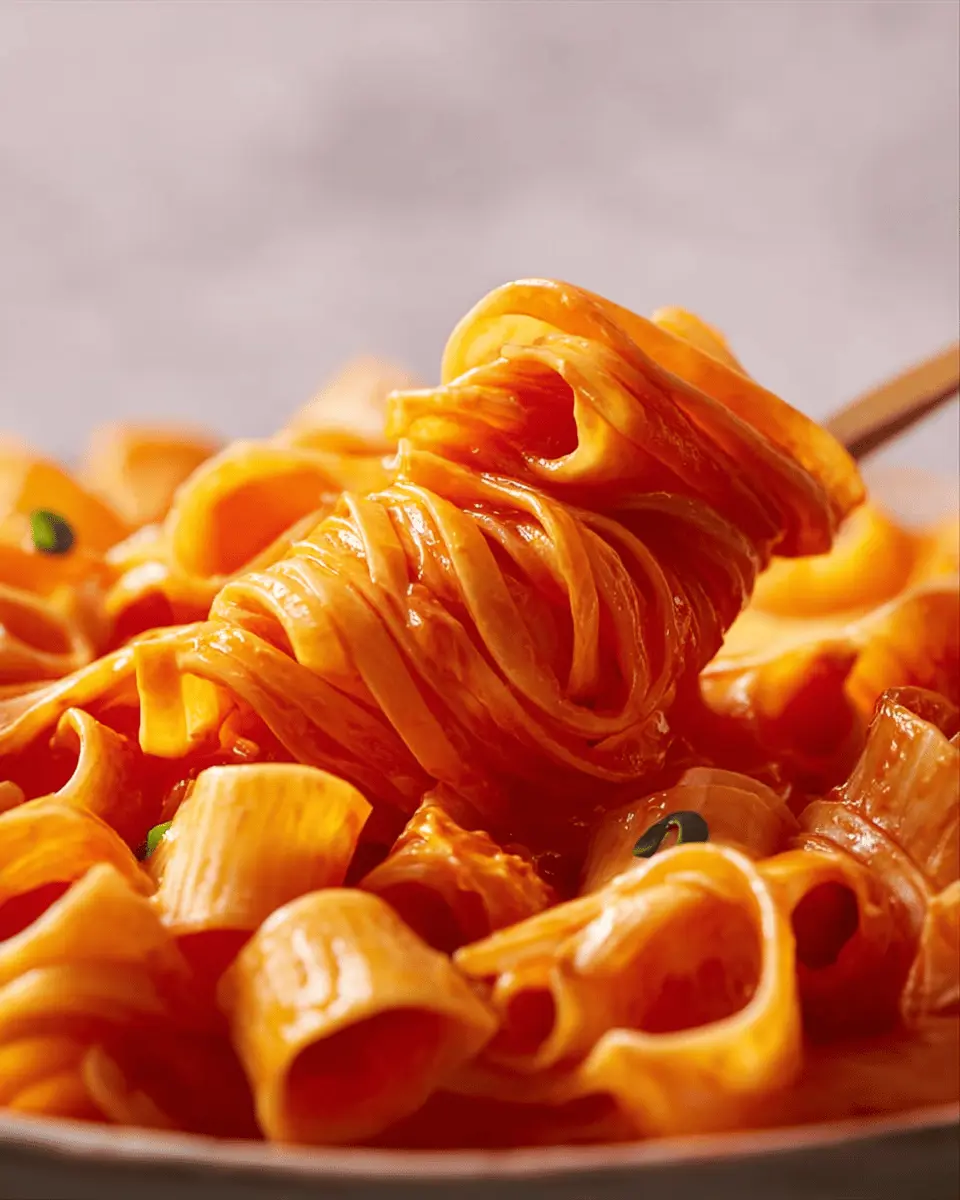
Ingredients for Gochujang Pasta
The essentials for a delicious Gochujang Pasta
Creating a mouthwatering Gochujang Pasta is simpler than you might think! Here are the core ingredients you’ll need:
- 500g dried pasta – Choose your favorite type, like linguine or fusilli.
- 1 tablespoon olive oil – Adds richness to the dish.
- 1 onion – Either red or white, finely chopped for a flavorful base.
- 2 garlic cloves – Minced or grated for that aromatic kick.
- 300g silken tofu – This brings a creamy texture, perfect for blending.
- 2 tablespoon gochujang – The star ingredient, providing that unique spicy-sweet flavor.
- 2 tablespoon nutritional yeast – A cheesy taste without the dairy.
- Salt – Just enough to enhance all the flavors.
For more in-depth cooking tips, check out BBC Food’s pasta guide.
Optional ingredients for extra flavor and nutrition
Want to jazz up your Gochujang Pasta? Consider adding some of these optional ingredients:
- Frozen peas – They add a pop of color and sweetness.
- Greens – Think shredded kale or spinach for extra nutrients.
- Protein – Add tofu or even turkey bacon for a heartier dish.
- Herbs or lemon juice – A hint of freshness to brighten the flavors.
Feel free to mix and match these ingredients to make the recipe your own, keeping it nutritious and satisfying!
Step-by-step Preparation of Gochujang Pasta
Cooking Gochujang pasta is not only a delightful culinary adventure but also a quick and easy way to impress your friends or enjoy a comforting meal at home. Here’s how you can prepare this mouthwatering dish step-by-step!
Cook the pasta
Begin by boiling a large pot of salted water. Once it’s bubbling away, add your choice of dried pasta—whether it’s linguine, spaghetti, or fusilli. Cooking times may vary, so check the package for guidance. Aim for that perfect al dente texture, which should take about 8–10 minutes. When it’s ready, drain the pasta but keep a cup of that precious pasta water aside; you’ll use it later to perfect your sauce.
Sauté the onions and garlic
While your pasta is cooking, you can multitask! In a pan, heat a tablespoon of olive oil over medium heat. Once hot, toss in your finely chopped onion and sauté with a pinch of salt. Cover the pan with a lid to create a steaming effect, allowing the onion to soften, which should take about 5 minutes. Add in your finely grated garlic—this is where the magic happens! Stir it for another minute until fragrant, but be careful not to burn it. The aroma will have you dreaming of the deliciousness to come.
Blend the creamy sauce
Now, it's time to create that luscious sauce that makes this Gochujang pasta unique. Grab your blender and add the chopped silken tofu, gochujang, and nutritional yeast (or your favorite hard cheese, if you’re not vegan). Next, incorporate the sautéed onion mixture and a couple of tablespoons of the reserved pasta water. Blend until it’s completely smooth and creamy—this is the secret to a rich and flavorful sauce!
Combine with peas, if using
If you wish to add some frozen peas for extra color and nutrients, now's the time. Simply boil or microwave them until heated through. They’ll provide a lovely sweetness that balances the spiciness of the gochujang.
Mix everything together
Pour that creamy tofu mixture into your pasta pot over medium heat. Stir in the cooked pasta, adding a splash of the reserved water if the sauce feels too thick. If you included peas, toss them in now to combine all the flavors beautifully. Make sure every noodle is well-coated in the luscious sauce! Serve immediately, and enjoy the delightful blend of heat and creaminess that makes this dish unforgettable.
Now that you're ready to enjoy your scrumptious Gochujang pasta, feel free to experiment with additional veggies or proteins, adjusting spice levels to suit your palate. Enjoy your culinary creation!
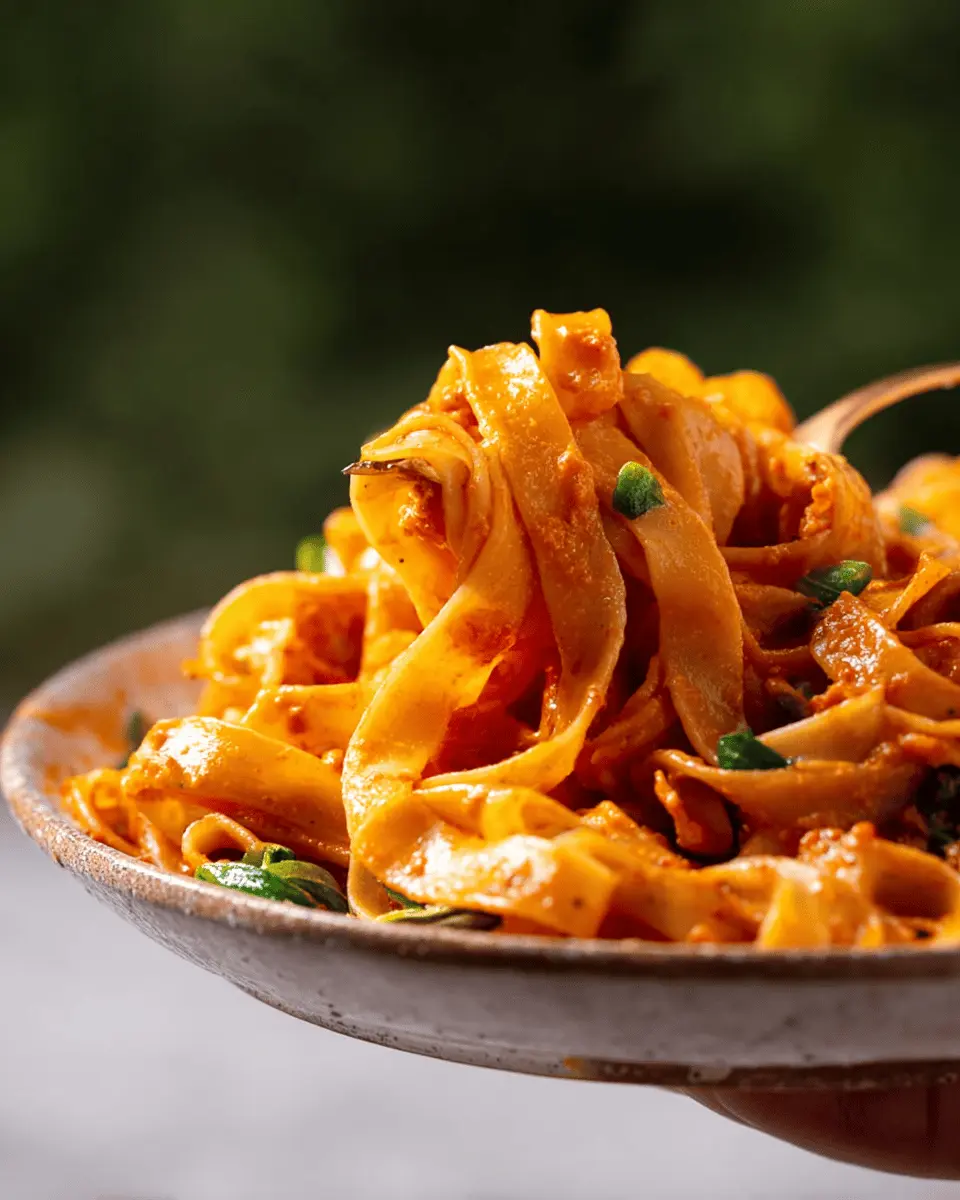
Variations on Gochujang Pasta
Spicy kimchi addition
For a delightful twist on your gochujang pasta, consider adding some spicy kimchi. This fermented Korean staple not only packs a punch of flavor but also brings a lovely tanginess that complements the rich gochujang sauce. Simply chop the kimchi and stir it into the noodles before serving. Your taste buds will thank you!
Add crispy tofu for texture
While the recipe calls for silken tofu, you can elevate your dish with crispy tofu. Pan-fry cubed firm tofu in a bit of oil until golden and crispy. Toss it in just before serving for a contrast in textures that adds heartiness to your gochujang pasta.
Toss in seasonal veggies
Don’t forget about veggies! Incorporating seasonal options like zucchini, bell peppers, or broccoli will enhance the nutritional profile of your dish and add vibrant colors. Sauté them along with the onion and garlic for a wholesome, colorful plate that sings with freshness.
Experiment with these variations to personalize your gochujang pasta, and enjoy a dish that’s uniquely yours!
Cooking Tips and Notes for Gochujang Pasta
Adjusting the Spice Level
Not a fan of intense heat? You can easily personalize your gochujang pasta by varying the amount of gochujang. Start with a small spoonful, then gradually add more until it hits your preferred spice level. Remember, you can always add but can’t take away!
Choosing the Right Pasta
While the recipe suggests various pasta types—like linguine or fusilli—your choice can affect the overall vibe. If you love a hearty bite, opt for thicker shapes like penne. For lighter meals, stick with strands like spaghetti or tagliatelle.
Storing Leftovers for Future Meals
Got some gochujang pasta left? Cool it down quickly, then pack it into airtight containers. It will stay fresh in the fridge for up to three days, making it perfect for quick lunches or dinners. When you reheat, a splash of water can help revitalize the creamy sauce!
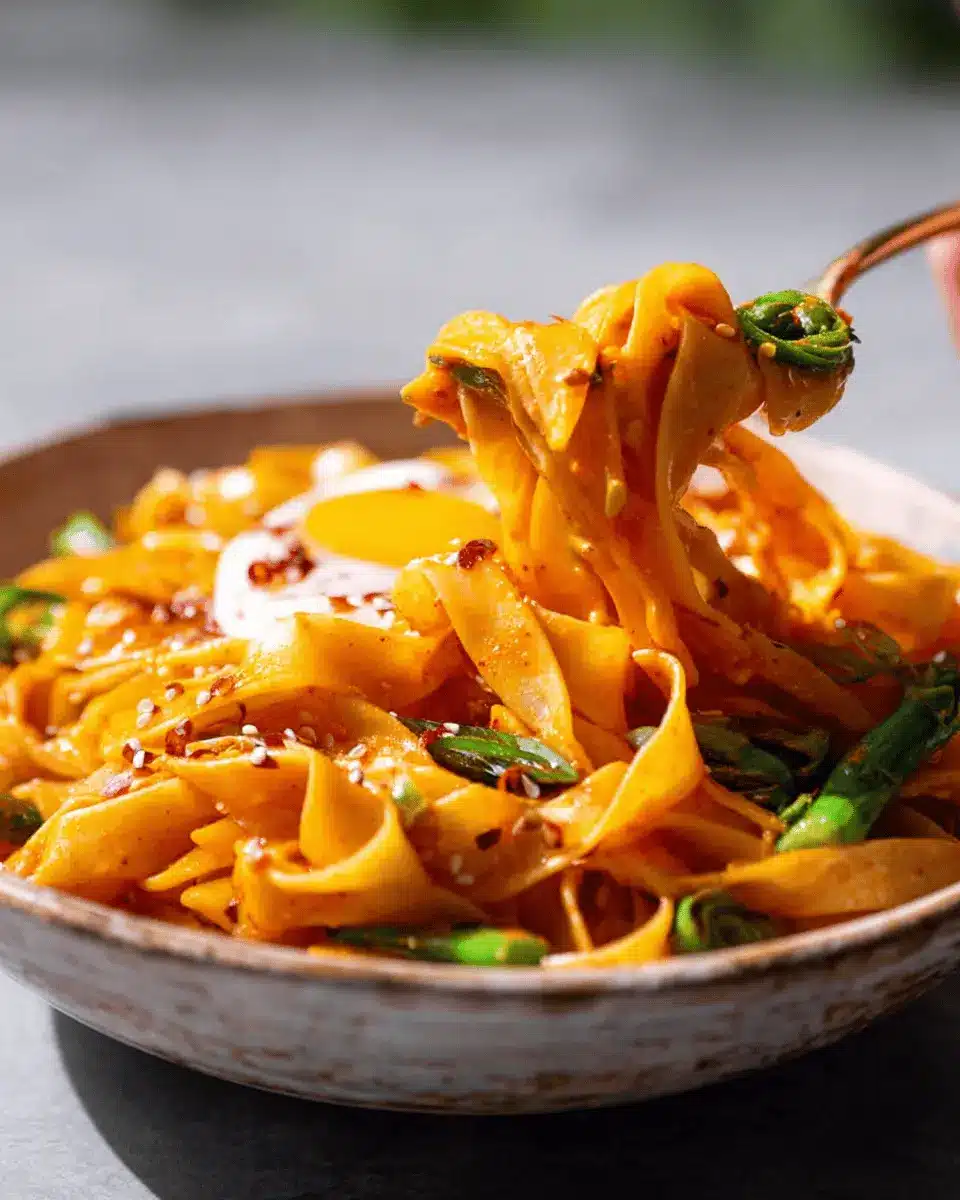
Serving Suggestions for Gochujang Pasta
Pairing with a Fresh Salad
Elevate your gochujang pasta experience by serving it with a vibrant salad. A simple mix of leafy greens, cherry tomatoes, and cucumber dressed with a light vinaigrette adds a refreshing crunch. Consider adding ingredients like avocados or radishes for an extra layer of flavor. The crisp texture and acidity of the salad will beautifully balance the creamy, spicy sauce of the pasta.
Perfect Accompaniments for a Well-Rounded Meal
To complement your gochujang pasta, think about adding protein sources like grilled chicken, shrimp, or even crispy turkey bacon. All of these options will enhance the dish, making it hearty and satisfying. Additionally, consider a side of crusty bread to scoop up any remaining sauce—because let's be honest, we never want to waste that creamy goodness! You could also pair it with a refreshing herbal iced tea or sparkling water garnished with lemon for a delightful meal.
Time Breakdown for Gochujang Pasta
Preparation Time
Getting ready for your gochujang pasta adventure takes less than 30 minutes. This means you can start whipping up dinner without spending your whole evening in the kitchen!
Cooking Time
The actual cooking time ranges from 10 to 30 minutes, depending on how quickly your pasta cooks and how deftly you're blending that delicious tofu sauce.
Total Time
All in all, you're looking at roughly 40 minutes from start to finish. This makes it a fantastic option for a quick weeknight meal or a simple gathering with friends. In no time, you’ll have a tasty and vibrant dish that’s sure to impress!
For more cooking tips, check out this guide on pasta for perfectly cooked noodles every time!
Nutritional Facts of Gochujang Pasta
Calories per serving
A generous serving of gochujang pasta contains approximately 300-400 calories, making it a satisfying meal without the guilt. Perfect for those who want to enjoy a tasty dish while keeping an eye on their caloric intake.
Protein content
This dish packs a solid punch with around 15 grams of protein per serving, thanks to ingredients like silken tofu and nutritional yeast. These sources not only help build muscle but also keep you feeling full longer.
Key vitamins and minerals
The combination of tofu, peas, and the rich flavors of gochujang provides essential vitamins and minerals. You'll benefit from vitamins A, C, and iron, which are crucial for maintaining overall health. Moreover, gochujang pasta is a good source of antioxidants, thanks to the garlic and onion, enhancing your well-being with every bite.
For those interested in more nutritional details, check out NutritionData for comprehensive breakdowns!
FAQs about Gochujang Pasta
Can I make this pasta gluten-free?
Absolutely! To prepare a gluten-free version of gochujang pasta, simply substitute the regular pasta with your favorite gluten-free alternative, such as brown rice pasta or lentil pasta. Most gluten-free noodles work well and maintain the dish's delightful flavors while accommodating gluten sensitivities.
What can I substitute for nutritional yeast?
If you don’t have nutritional yeast on hand, you can use finely grated Italian-style hard cheese instead, which will provide a similar umami flavor. For a vegan option, try blended cashews or hemp seeds, which can add creaminess and a nutty taste to your gochujang pasta.
How spicy is gochujang, really?
Gochujang's spice level typically falls between mild to moderate, depending on the brand and type. It's essential to remember that you can control the heat of your dish by adjusting the amount you use. If you're sensitive to spice, start with less and gradually add more to find your perfect balance. So, don't fear this popular Korean condiment—embrace it!
For a deeper understanding, check out more on the flavor profile of gochujang at Serious Eats.
Conclusion on Gochujang Pasta
Why you’ll love adding this dish to your recipe repertoire
If you're looking to spice up your dinner routine, gochujang pasta is a vibrant and delicious choice. This dish combines creamy, rich flavors with a hint of heat—perfect for impressing guests or enjoying a cozy night in. Plus, it’s quick to prepare, making it a fantastic weeknight option. Don’t be surprised if it becomes a new family favorite!
Gochujang pasta
Equipment
- Saucepan
- blender
Ingredients
- 500 g dried pasta such as linguine, spaghetti, tagliatelle, fusilli or penne
- 1 tablespoon olive oil
- 1 onion red or white, finely chopped
- 2 garlic cloves finely grated or chopped
- 300 g silken tofu roughly chopped
- 2 tablespoon gochujang
- 2 tablespoon nutritional yeast (or finely grated Italian-style hard cheese)
- 1 handful frozen peas optional
- salt to taste
Instructions
- Cook the pasta in a saucepan of well salted boiling water according to packet instructions, or until al dente. Drain and reserve some of the pasta cooking water.
- Meanwhile, heat the oil in a saucepan and fry the onion, garlic and a pinch of salt with the lid on until softened.
- Place the tofu, gochujang and nutritional yeast in a blender. Add the onion mixture and a couple of tablespoons of the reserved pasta cooking water and blend until totally smooth.
- If using the peas, boil or microwave them until hot.
- Pour the tofu mixture into a saucepan. Cook over a medium heat until it starts to simmer then add the pasta, along with a splash of the reserved pasta water if the sauce is a little thick.
- Toss the peas, if using, with the creamy pasta and serve immediately.
Leave a Reply