
Introduction to Gochujang Noodles
Why Gochujang Noodles Are a Game-Changer
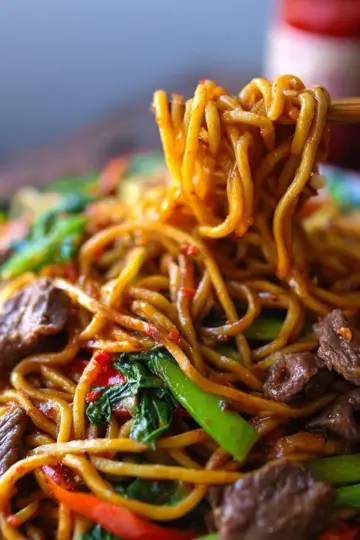
If you’re searching for a dish that tantalizes your taste buds and elevates your dinner game, gochujang noodles may just be your new obsession. These luscious noodles, coated in a savory and spicy gochujang sauce, offer a flavor explosion that leaves ordinary pasta recipes in the dust. The heat from the gochujang, a Korean fermented chili paste, is perfectly balanced with sweet and umami notes, making each bite a delightful experience.
What really makes gochujang noodles a game-changer is their versatility. You can easily customize them with your favorite vegetables or protein, turning this dish into a canvas for your culinary creativity. It’s also a fantastic option for busy weeknights—ready in just 30 minutes, these noodles are perfect for a fulfilling, homemade meal without the hassle.
But why stop at just enjoying the flavors? Did you know that gochujang is known to have health benefits? Packed with antioxidants and vitamins, this beloved condiment may even support metabolism. So, not only are you indulging in a delicious meal, but you might also be giving your body a little love. Let’s dive into this exciting recipe and transform your dinner routine!
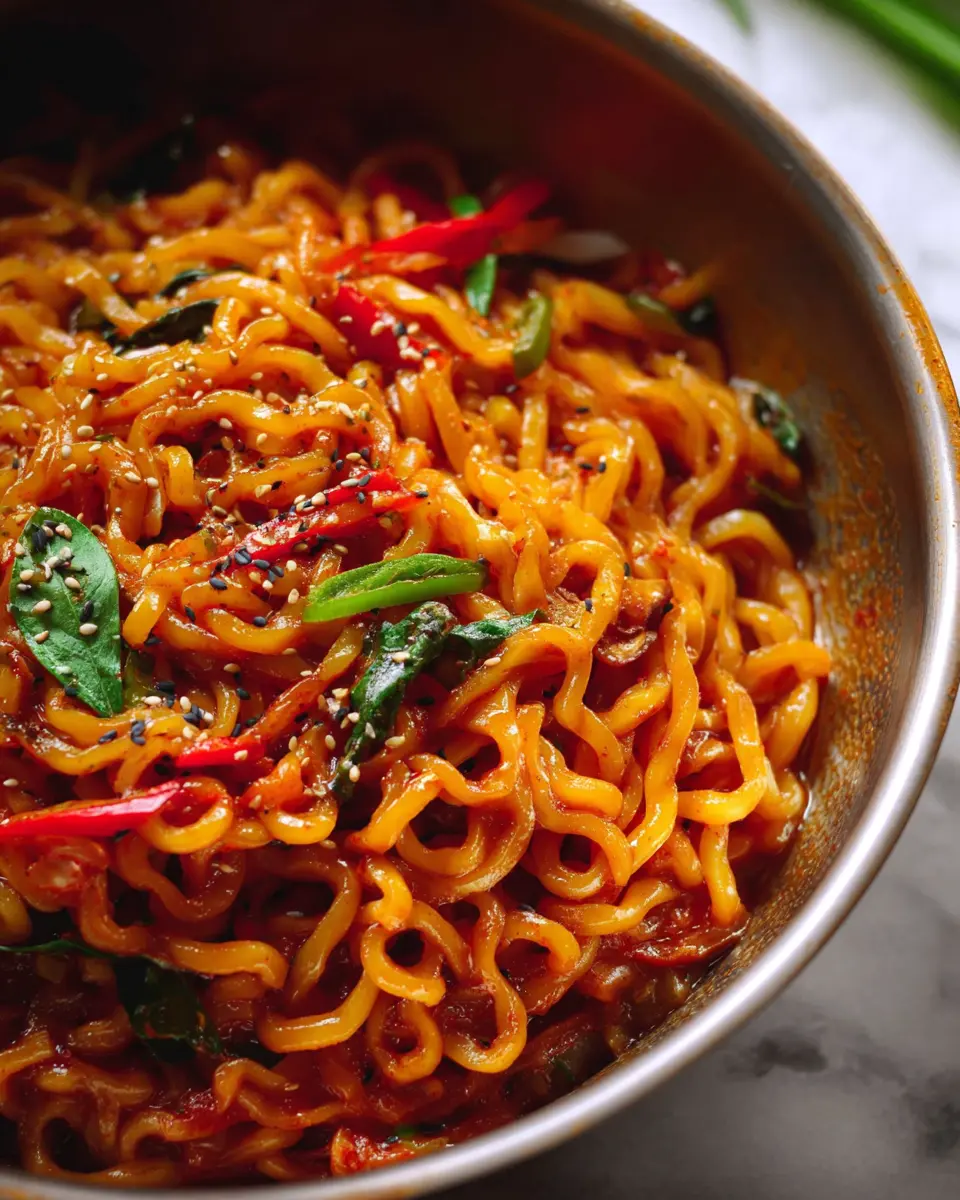
Ingredients for Gochujang Noodles
Creating the perfect bowl of gochujang noodles is all about the right ingredients. Here’s what you’ll need for a delicious and satisfying meal!
Essential Ingredients for the Recipe
To make your gochujang noodles, start with these vital components:
- Fresh udon noodles: 16 ounces (450g) for the best texture.
- Gochujang: 3 tablespoons adds that essential spicy and savory kick.
- Toasted sesame oil: 1 tablespoon for a nutty aroma.
- Soy sauce and mirin: 2 tablespoons each for depth of flavor.
- Organic brown sugar: 1 ½ tablespoons balances the heat.
These ingredients are the foundation of your dish, so choose quality ones for the best results!
Optional Ingredients for Personalization
Feel free to customize your gochujang noodles with additional flavors:
- Gochugaru: 1 tablespoon for an extra smoky bite.
- Vegetables: Napa cabbage or bell peppers, or even a mix!
- Aromatics: Garlic, ginger, and scallions for that fragrant base.
- Herbs: Fresh Thai basil or cilantro for a bright finish.
Personalizing your dish is part of the fun. Don’t hesitate to experiment! For more inspiration, check out this article on flavor pairings.
Preparing Gochujang Noodles
Making gochujang noodles is not just about cooking; it's about creating a vibrant dish that bursts with flavor and warmth. Perfect for a quick weeknight dinner or a cozy weekend meal, these noodles are anything but ordinary. Let’s break down the preparation step-by-step, ensuring that every bite you take is packed with deliciousness and satisfaction.
Gather and prep your ingredients
Before diving into cooking, it’s essential to have your ingredients ready. This not only streamlines the process but also ensures you don’t forget anything important. Here’s what you'll need to gather:
- Fresh udon noodles: 16 ounces (450g) is ideal, but feel free to swap them out for your favorite type of noodle.
- For the gochujang sauce: a mix of gochujang, toasted sesame oil, soy sauce, mirin, brown sugar, and optional gochugaru.
- Aromatics and veggies: include scallions, garlic, ginger, Napa cabbage, and roasted sesame seeds.
Give everything a good wash, chop, and measure it out. Having everything at your fingertips makes the cooking process more enjoyable and efficient.
Cook the udon noodles perfectly
Cooking the noodles to perfection is crucial for achieving the right texture. Begin by bringing a large pot of water to a rolling boil. Be sure to follow the package instructions, but here's a little tip: cook the noodles for a minute less than recommended. This technique helps achieve that delightful chewy texture.
- For fresh udon noodles: Add them to the boiling water and let them cook for about a minute. Stir gently to avoid clumping.
- Drain and reserve some water: Before draining, scoop out a cup of the noodle water. This starchy liquid can help bind your sauce later if needed.
Whisk together the delicious gochujang sauce
Now that your noodles are cooked, it's time to whip up that tantalizing gochujang sauce. In a medium bowl, combine the following ingredients:
- 3 tablespoons of gochujang for that signature spice
- 1 tablespoon of toasted sesame oil to add richness
- 2 tablespoons of soy sauce
- 2 tablespoons of mirin or rice vinegar
- 1 ½ tablespoons of organic brown sugar for sweetness
- 1 tablespoon of gochugaru (if you want an extra kick)
Whisk everything together until smooth and well combined. You might want to taste it to find the perfect balance of flavors — sweet, spicy, and savory.
Sauté aromatics and add vegetables
In a large frying pan, heat up some neutral-flavored oil over medium-high heat. Once it’s shimmering, toss in the scallion whites and light greens, along with the minced garlic and ginger. This aromatic trio will set a flavorful foundation for your dish.
- If using bell peppers, they can go in now too, sautéing for 1 to 2 minutes until they're slightly tender.
- If you opt for Napa cabbage, add it after the garlic and ginger and season everything with a pinch of salt. Stir-fry for about 3 minutes until just tender.
Combine noodles with sauce and veggies
Once your aromatics and veggies are ready, it’s time to bring everything together! Add that luscious gochujang sauce to the pan and let it sizzle for a moment. Next, carefully fold in the cooked noodles, tossing everything together using tongs or chopsticks.
- If the mixture feels dry, gradually add some of that reserved noodle water to help the sauce adhere to the noodles. A couple of tablespoons should do the trick!
Garnish and serve
Finally, it’s time to plate your gochujang noodles! Off the heat, stir in a handful of fresh Thai basil leaves for herby brightness, along with a drizzle of toasted sesame oil for added flavor.
Serve your noodles in bowls and top with the reserved scallion greens and a sprinkle of roasted sesame seeds for a beautiful finishing touch.
These gochujang noodles are not only satisfying but also a canvas for creativity — feel free to try different types of vegetables or proteins. Enjoy your homemade masterpiece, and embrace the comforting flavors of Korea right from your kitchen!
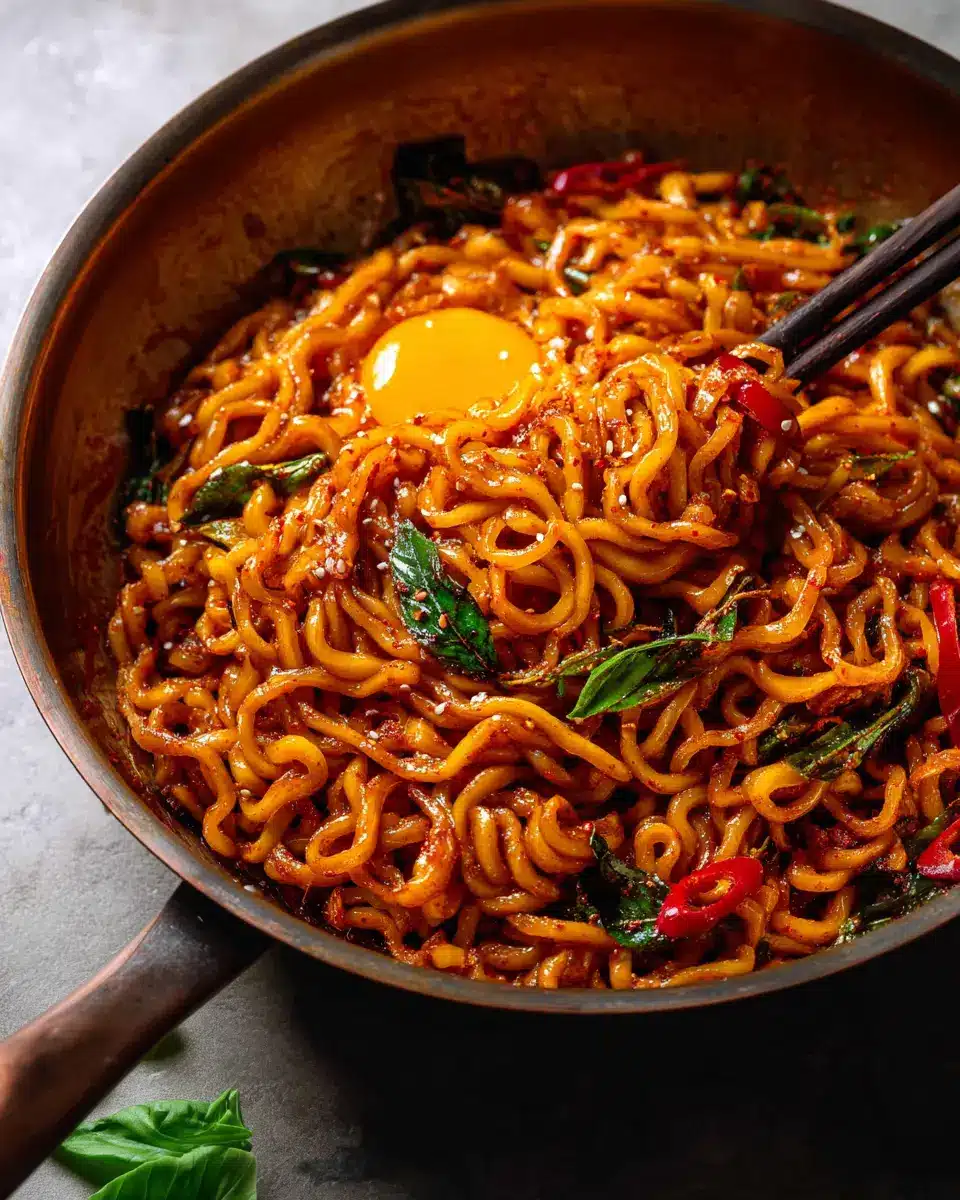
Variations on Gochujang Noodles
Customized Protein Additions
When it comes to gochujang noodles, adding your favorite protein can really elevate the dish! Consider tossing in sautéed chicken ham for a hearty option, or if you're in the mood for something light, grilled shrimp pairs wonderfully. For a plant-based twist, try crispy tofu or tempeh for a protein boost that complements the spicy-sweet flavors. Each protein brings its own unique texture and taste, making it easy to customize your bowl!
Various Vegetable Options
The beauty of gochujang noodles lies in their versatility. Feel free to explore a rainbow of vegetables! Bell peppers, kale, and snap peas add color and crunch, while mushrooms lend an earthy undertone. Don’t forget about broccoli or zucchini for heartiness! Sauté your choice until just tender for a delightful contrast against the sauce and noodles. You can even sneak in some leftover veggies from your fridge—waste not, want not!
For more inspiration on veggies, check out this article that discusses colorful, nutrient-dense ingredients.
Cooking tips for Gochujang Noodles
Top tips for perfecting your dish
To achieve a vibrant bowl of gochujang noodles, follow these key pointers:
- Noodle Cooking Time: Cook your udon noodles for one minute less than package instructions to maintain a perfect texture. This prevents them from getting soggy in the sauce.
- Sauce Balance: Adjust the spiciness according to your taste. If you prefer milder flavors, consider reducing the gochujang to two tablespoons.
- Flavor Boost: For added depth, toast your sesame seeds before using; it enhances their nutty flavor.
Common pitfalls to avoid
Watch out for these mistakes that could dampen your noodle experience:
- Overcooking Vegetables: It's easy to lose the crunchiness when sautéing. Aim for tender but still vibrant veggies.
- Skipping Noodle Water: If the final dish feels a bit dry, it’s totally okay to add a spoon of reserved noodle water to bring everything together.
- Ignoring Garnishes: Fresh herbs like Thai basil not only elevate the flavor but also add a lovely touch.
These simple tips will ensure your gochujang noodles are nothing less than a delightful dish! For a deeper dive into Korean-inspired cooking, check out Serious Eats for inspiration.
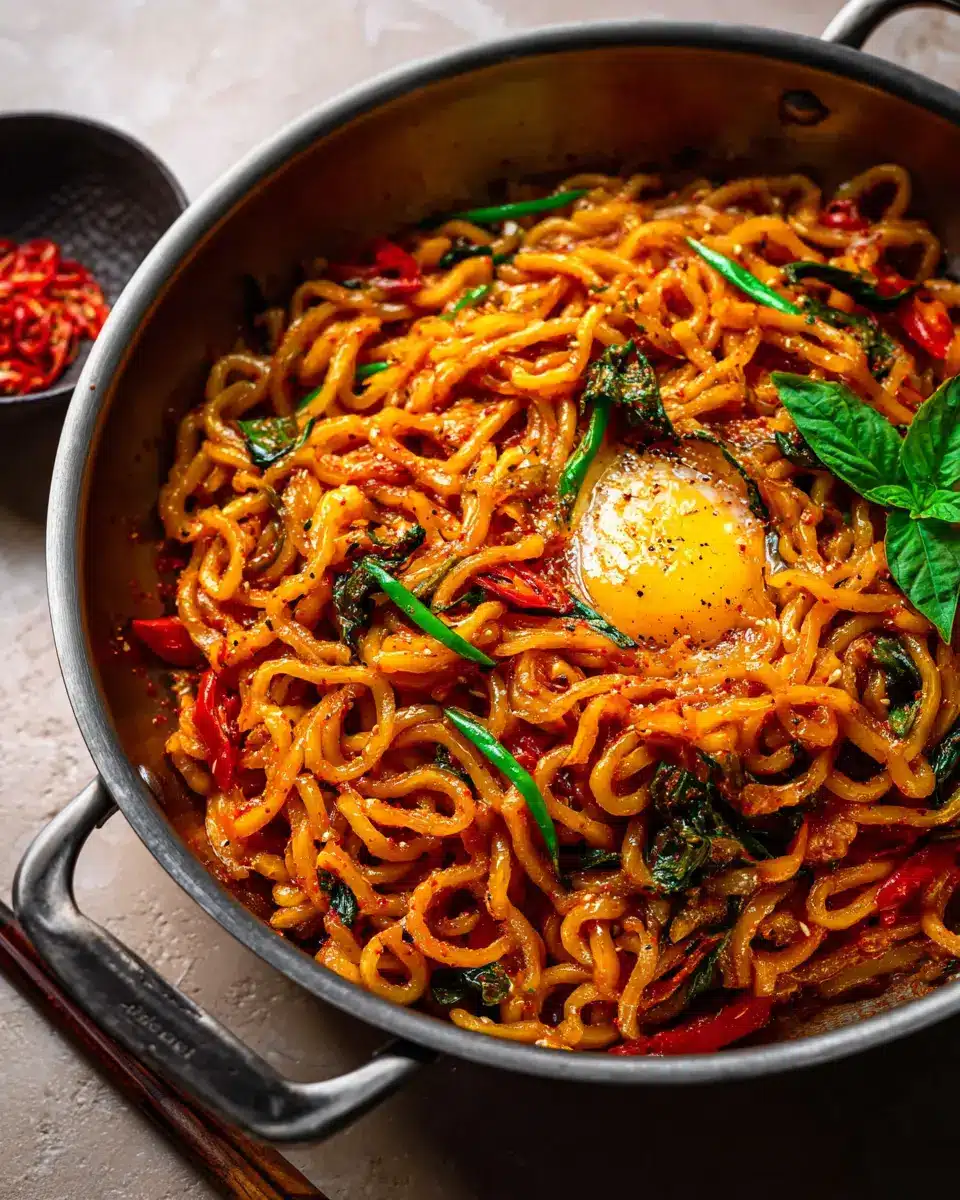
Serving Suggestions for Gochujang Noodles
Creative Serving Ideas to Impress
Elevate your gochujang noodles presentation! Try serving them in a large, shallow bowl, topped with a sprinkle of sesame seeds, fresh basil leaves, and a few finely sliced scallions for a pop of color. For an added crunch, consider garnishing with crispy fried shallots or a handful of crushed peanuts. You might also serve the noodles alongside grilled tofu or marinated tempeh for a complete meal that looks as good as it tastes!
Complementary Side Dishes to Try
Pair your gochujang noodles with delicious side dishes to round out the meal. A simple cucumber salad with a tangy soy dressing can add a refreshing contrast to the spice of the noodles. Alternatively, consider serving a warm miso soup or a light Asian coleslaw to add more texture and flavor. If you’re looking for a heartier option, steamed dumplings or crispy spring rolls would make an excellent accompaniment.
Explore more side dish ideas in our collection of dinner recipes for additional inspiration!
Time Breakdown for Gochujang Noodles
Preparation Time
The prep work for these gochujang noodles takes just about 20 minutes. This includes gathering your ingredients and chopping the vegetables.
Cooking Time
Once you're ready, cooking these delicious noodles only takes 10 minutes. It’s quick and simple!
Total Time
In less than 30 minutes, you can enjoy a stunning bowl of gochujang noodles. Perfect for a busy weeknight dinner!
For an easy step-by-step guide, check out more tips on how to maximize flavor in your meals at Serious Eats.
Nutritional Facts for Gochujang Noodles
When savoring a bowl of gochujang noodles, it's always a good idea to be mindful of the nutritional content. These delicious noodles not only satisfy your taste buds but also offer a balanced profile. Here’s what you need to know:
Calories
A serving of gochujang noodles typically contains around 350-400 calories, making it a hearty option that won't leave you feeling heavy.
Protein
With about 12-15 grams of protein per serving, these noodles provide a satisfying source of this essential nutrient, especially for those on a vegan diet.
Carbohydrates
Each serving contains approximately 60-70 grams of carbohydrates, giving you the energy boost you need to fuel your day.
Enjoy your flavorful gochujang noodles while considering these nutritional facts, and remember, you can always adjust the ingredients to meet your dietary preferences! For more insights on healthy eating, check out Healthline or the USDA FoodData Central.
FAQs about Gochujang Noodles
Can I make Gochujang Noodles gluten-free?
Absolutely! To create gluten-free gochujang noodles, simply substitute traditional wheat udon noodles with gluten-free alternatives, such as rice noodles or gluten-free udon noodles. For soy sauce, use tamari, which is a popular gluten-free option. Your dish will still pack that delicious spicy-savory flavor without compromising dietary needs.
How can I adjust the spice level?
If you’d like to dial back the heat in your gochujang noodles, you can easily adjust the amount of gochujang used. Start with just 2 tablespoons instead of the full 3. Alternatively, adding a touch of sugar can help balance the heat. Remember, you can always add more spice later, but it’s harder to cool it down once it's added!
Are gochujang noodles safe for meal prep?
Yes, these gochujang noodles are excellent for meal prep! They not only store well in the fridge for 3-4 days, but the flavors also intensify as they sit. Just store them in an airtight container, and when you're ready to enjoy, a quick reheat will have you savoring those delicious flavors in no time!
By addressing these common questions, we hope you feel more confident trying out this mouthwatering recipe. If you’re curious about more culinary tips, check out resources like Bon Appétit for expansive suggestions!
Conclusion on Gochujang Noodles
In summary, gochujang noodles are a delightful fusion of spicy and savory flavors that can easily become a weeknight favorite. Quick to prepare and wholly satisfying, these noodles offer a playful balance of textural vegetables and hearty udon. Give this recipe a try; your taste buds will thank you!
Gochujang Noodles
Equipment
- pot
- large frying pan
- Whisk
- Tongs
Ingredients
Noodles
- 16 ounces fresh udon noodles substitution options available
Gochujang Sauce
- 3 tablespoons gochujang
- 1 tablespoon toasted sesame oil
- 2 tablespoons soy sauce use tamari for GF
- 2 tablespoons mirin or rice vinegar
- 1.5 tablespoons organic brown sugar
- 1 tablespoon gochugaru optional
Aromatics and Vegetables
- 1 heaping tablespoon neutral-flavored oil
- 1 bunch scallions whites and light greens chopped, dark green tops sliced for garnish
- 4 cloves garlic finely chopped
- 1 inch ginger grated or minced
- 6 to 8 cups thinly sliced Napa cabbage OR 2 medium bell peppers, thinly sliced
- 0.25 cup roasted white sesame seeds toast if not roasted
Finishing
- a few handfuls Thai basil leaves or fresh cilantro, chopped
- toasted sesame oil for drizzling
Instructions
Cooking Noodles
- Cook the noodles according to the package instructions, but cook for a minute less to avoid sogginess.
- Scoop out some noodle water, then drain the noodles.
Making Sauce and Cooking Aromatics
- Whisk together the gochujang, toasted sesame oil, soy sauce, mirin or vinegar, sugar, and gochugaru if using. Set aside.
- Heat the oil in a large frying pan over medium-high heat. Once shimmering, add the scallion whites and greens, garlic, and ginger (and bell pepper, if using). Season with a pinch of salt and cook for 1 to 2 minutes.
- If using Napa cabbage, add it now; season with a pinch of salt and stir-fry for 3 minutes, or until it reduces in size and is tender but not soft.
- Add in the gochujang sauce and sesame seeds and allow to sizzle.
- Add in the cooked noodles and use tongs to coat them in the sauce. If it feels dry, add a spoon or two of noodle water to bring the sauce together.
- Cook for 1 to 2 minutes, or until the sauce clings to the noodles.
- Off the heat, stir in the Thai basil and a drizzle of toasted sesame oil.
Leave a Reply